

The Importance of Responsive Web Design
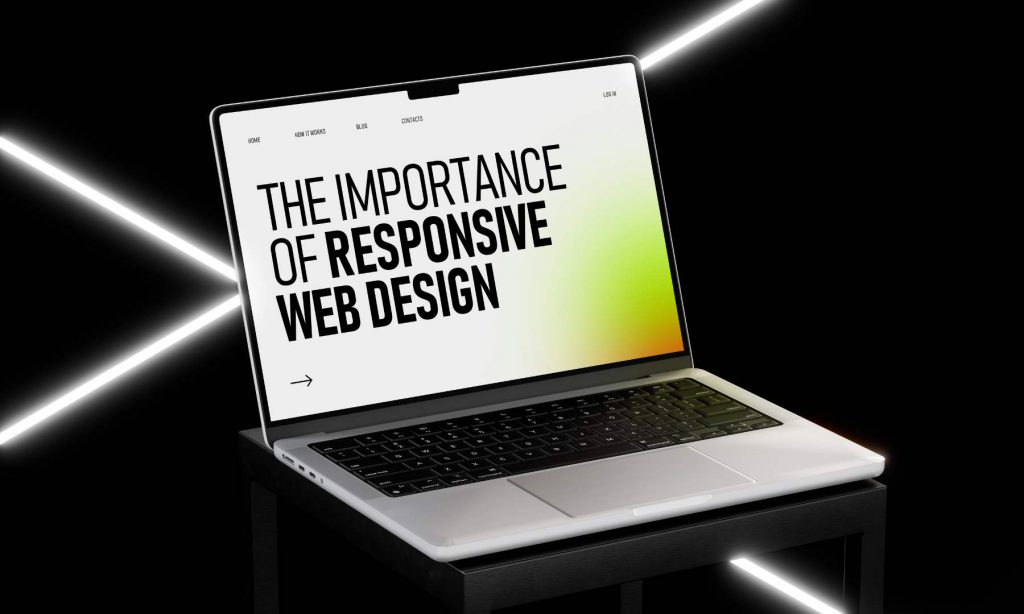
Optimize your website for all devices. See how responsive web design enhances user experience, supports SEO, and boosts digital performance.
Ensuring your website is responsive is not only a creative decision but also a commercial one given over 60% of web traffic comes from mobile devices in the digital terrain of today. Responsive Web Design (RWD) guarantees that your website fits perfectly different screen sizes, thereby offering the best user experience on many devices. Businesses hoping to improve user engagement, boost SEO results, and boost conversion rates depend on this flexibility.
1. Enhancing User Experience Across Devices
Regardless of the device used, a responsive website provides a consistent and easy user experience. Emphasizing the need for a mobile-friendly design, statistics show that 88% of visitors are less likely to visit a website with a terrible experience. Furthermore, 73% of consumers said they left a website mostly because of non-responsive design.
Implementing responsive design through user interface design services ensures that elements like navigation menus, images, and text adjust appropriately to different screen sizes, reducing the need for excessive scrolling or zooming. This seamless experience keeps users engaged and encourages them to explore more of your website.
2. Boosting SEO Performance
Search engines—especially Google—give mobile-friendly websites top priority in their rankings. Google mostly index and rank using the mobile version of a site’s content under mobile-first indexing. Websites devoid of mobile device optimization run less of a show in search results.
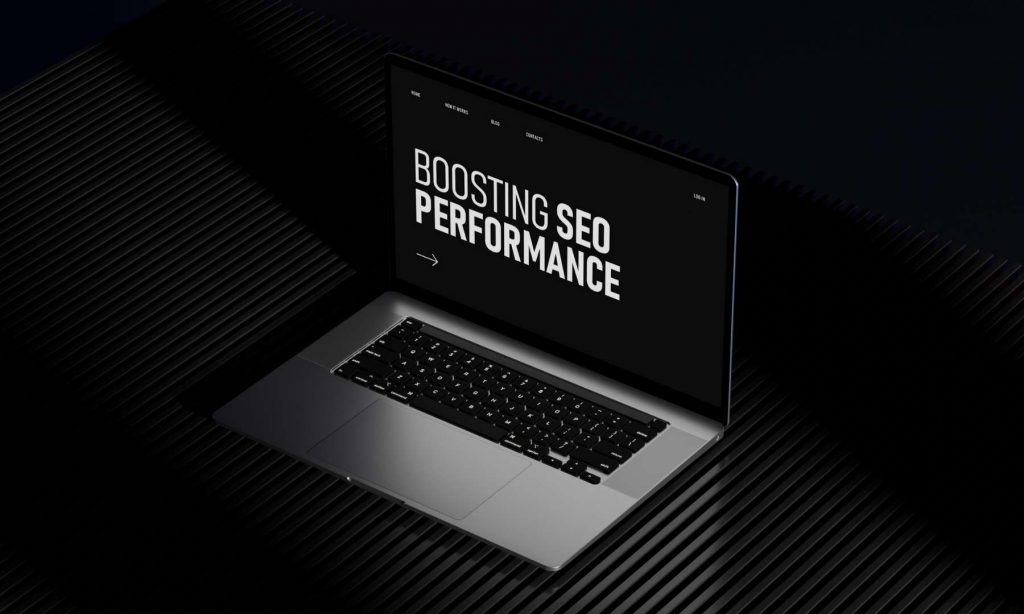
Responsive design also mitigates issues related to duplicate content, which can occur when separate URLs are used for desktop and mobile versions of a site. By maintaining a single URL, responsive websites consolidate their SEO efforts, enhancing link equity and simplifying site analytics.
3. Improving Conversion Rates
Conversion rates directly are impacted by user experience. Comparatively to non-optimized websites, websites tailored for mobile devices have demonstrated to have up to 67% more conversion rates. Call-to- action buttons are guaranteed to be easily accessible by responsive design; forms are user-friendly; and the general navigation helps the user go towards conversion.
Additionally, responsive websites often experience lower bounce rates, as users are more likely to stay and interact with content that displays correctly on their devices. This increased engagement signals to search engines that the site provides valuable content, further boosting SEO rankings.
4. Streamlining Website Management
Keeping separate websites for desktop and mobile visitors can be resource-intensive and calls for redundant content updates and SEO techniques. By grouping these initiatives onto one website, responsive design streamlines content management and lowers maintenance expenses.
This unified approach not only saves time and resources but also ensures consistency in branding and messaging across all platforms. For businesses offering Website Design & Development Company services, adopting responsive design principles is essential for delivering efficient and scalable solutions to clients.
5. Enhancing Social Sharing and Backlink Opportunities
Because users of responsive websites can easily access and interact with content on any device, they help to facilitate simpler distribution of content across social media channels. More backlinks—which are vital for SEO success—can result from this higher shareability.
Moreover, a consistent user experience across devices motivates influencers and other websites to connect to your content, therefore acknowledging the value and accessibility it presents to their readers.
6. Future-Proofing Your Website
New gadgets and screen sizes are constantly appearing on the always changing digital terrain. Responsive design protects your investment and guarantees that your website is aesthetically pleasing and useful across present and future devices, therefore preserving user satisfaction.

By embracing responsive design, businesses can adapt to technological advancements without the need for extensive redesigns, ensuring long-term sustainability and relevance in the digital marketplace.
7. Integrating Responsive Design with SEO and UI Services
Including responsive design is essential to businesses who focus on SEO Company services, Technical SEO Services, and User Interface Design Services to provide complete digital solutions. While increasing off-page SEO via more user interaction and shareability, responsive design improves on-page SEO factors such as meta tags and content structure. Furthermore, an adaptable UI design guarantees that users experience cohesively and intuitively, thereby supporting consumer loyalty and brand credibility. Responsive design helps local SEO services as well since mobile consumers looking for nearby businesses are more inclined to interact with easily navigable websites on their devices.
Conclusion
Not optional anymore, responsive web design is a basic need of contemporary web development that directly affects user experience, SEO performance, and conversion rates. Businesses can guarantee their websites are accessible, efficient, and ready for success in a world going more mobile by using responsive design ideas. Investing in responsive design not only improves the operation of your website but also helps your brand to be forward-looking and user-oriented—a major benefit in the very competitive digital landscape of today.
Sources:
- EMD Digital – The Latest Web Design Statistics You Need to Know for 2024
- Matatan Technologies – Importance of Responsive Design in 2024
- Web & IT News – 10 Reasons Why Responsive Web Design is Good for SEO
- Desire Marketing – SEO Benefits of Responsive Web Design
- Maya Ritchieux – The Importance of Responsive Web Design in 2024
FAQ
Responsive web design is the method whereby a website dynamically changes its layout, pictures, and information to fit any screen size—be it a huge desktop display, a tablet in landscape mode, or a smartphone held vertically in one hand. Reducing things down is only one aspect; another is guaranteeing usability, readability, and interaction quality across devices. Therefore, the experience feels customized regardless of your visitor’s device—4-inch phone or 27-inch screen.
The thing is Google values user experience, and mobile-first indexing is evidence of that. Your website already lags in the SEO contest if it is not mobile-friendly. One key benefit of responsive design is that it guarantees a single, consistent URL across devices, so helping to prevent duplicate content problems—a big advantage in Technical SEO Services. Add to reduced bounce rates and increased mobile user engagement to have your website running across all the correct on- and off-page SEO boxes.
Picture this: A user clicks your link and lands on a beautifully designed page… but they can’t read the text, buttons are tiny, and horizontal scrolling becomes a nightmare. Now contrast that with a responsive site—clean layouts, finger-friendly navigation, and content that flows like water, no matter the screen. That’s user experience gold. It reduces friction, keeps people engaged longer, and—more importantly—makes them want to come back.
From a business standpoint, responsive web design is a game-changer. First, it saves money—no need for separate mobile and desktop versions. Second, it boosts your reach—mobile users aren’t ignored. Third, it strengthens your brand consistency, which is often overlooked. Whether you’re a Website Design & Development Company or an SEO Company offering Local SEO Services, responsiveness means higher retention, better conversion rates, and a digital presence that adapts as quickly as your audience’s behaviors do.
They may sound similar, but they’re built on different philosophies. Responsive design is fluid—it uses flexible grids that respond in real-time to the screen size. Adaptive design, on the other hand, relies on predefined layouts for specific breakpoints. Think of it like this: responsive design is water—it flows into any container. Adaptive is more like LEGO blocks—it switches parts based on the screen. Both have their place, but responsiveness offers a smoother, more future-proof experience.