

Bilingual Arabic-English Website Design: What UAE Businesses Need to Know
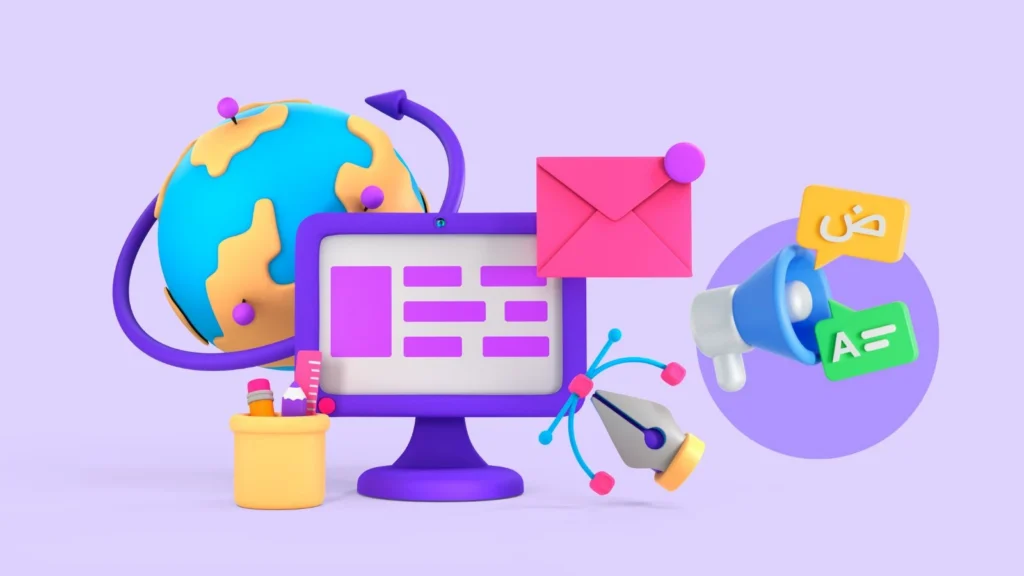
Learn what businesses need to know about bilingual Arabic-English website design to improve user experience, accessibility, and reach in the UAE.
A bilingual website is not an English website with an Arabic translation bolted on afterward. It is a separate design and technical decision that touches layout, typography, navigation, content management, and search visibility.
Businesses that treat Arabic as a translation task usually end up with a website that reads awkwardly, breaks visually, and confuses search engines about which version to show whom. Done properly, bilingual Arabic English website design starts as a single project with two audiences in mind, not two separate builds stitched together.
This article covers what actually goes into it, based on what tends to go right and wrong on real UAE projects.
Why Bilingual Websites Matter in the UAE
Arabic is the official language of the UAE, and government entities, healthcare providers, and educational institutions are often expected to communicate in it clearly. English remains the working language of trade, tourism, and much of the expatriate population, so cutting either audience out limits reach immediately.
A hospitality brand that only serves English content misses local families booking staycations. A real estate developer that skips Arabic loses trust with buyers who want to read contracts in their own language first. Government and semi-government organizations often have compliance expectations around Arabic content, and private businesses find that offering both languages signals seriousness to a wider customer base.
Across retail, professional services, and international companies entering the UAE, a well-built bilingual website has become a baseline expectation rather than a differentiator.
What Makes a True Bilingual Website?

Translation converts words. Localization adapts the experience: imagery, date formats, currency, tone, and which content sections matter to each audience. A financial services firm might lead with regulatory credentials for an English-speaking corporate audience while an Arabic-speaking audience responds better to relationship-driven messaging.
Both versions need consistent branding underneath, same logo, same color system, same core message, but presentation can and often should differ. This planning has to happen before development starts, since retrofitting a bilingual layout onto a website built only for English almost always produces compromises: cramped Arabic navigation, awkward icon placement, or content translated but never adapted to the grid.
Right-to-Left (RTL) Design: The Foundation of Arabic UX
Arabic reads right to left, and a proper Arabic interface mirrors the entire layout, not just the paragraph text. Navigation menus flip so the logo sits on the right and the primary menu reads from right to left. Icons that imply direction, like arrows and progress indicators, need to be mirrored too, or they point the wrong way and confuse users.
Forms should have labels and fields aligned to match reading direction, sliders should move right to left, and breadcrumbs need to follow the mirrored hierarchy. This is where a simple translation plugin falls short: swapping English text for Arabic without mirroring the layout produces a page that visually still reads left to right while the words read right to left, which feels unnatural. CSS logical properties and the dir=”rtl” attribute handle most of the heavy lifting today, but every custom component still needs manual testing in both directions.
Arabic Typography and Readability
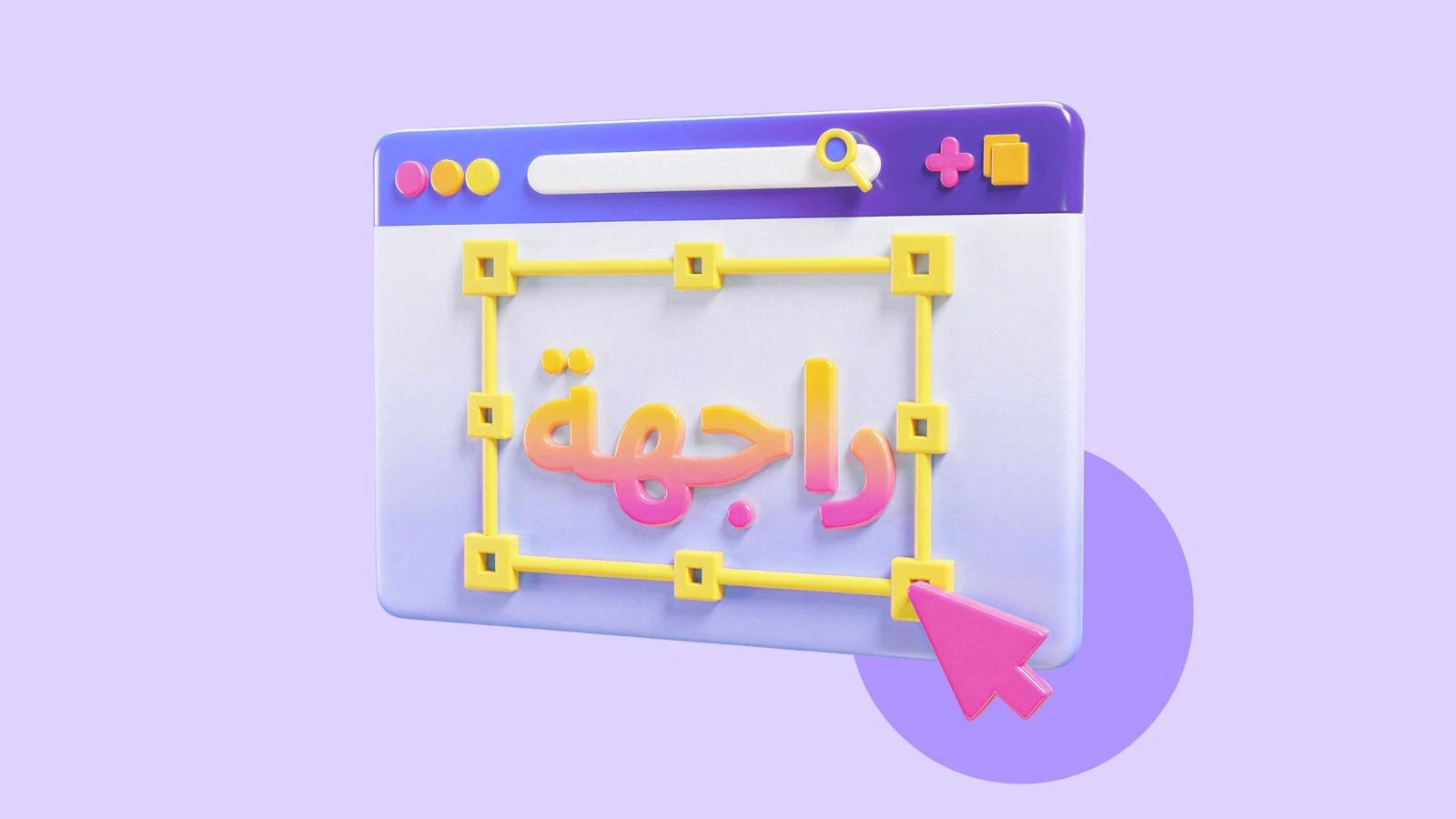
Arabic script is connected and contextual, meaning each letter can change shape depending on its position in a word, so fonts designed for Latin scripts often render it poorly, with inconsistent spacing or broken letter joins. Choosing a typeface built to support Arabic properly, with adequate line height and letter spacing, makes a measurable difference in readability.
Font pairing matters too: an English heading font and an Arabic heading font should share similar weight and visual character so the website feels like one brand rather than two competing systems. Businesses that work with a dedicated team offering UI UX Design Services in UAE tend to catch these details early, through readability testing with native Arabic speakers.
Building a Responsive Experience Across Both Languages
Mobile-first design is standard practice now, but bilingual sites add complexity because Arabic text often runs longer or shorter than its English equivalent, which affects how buttons and navigation wrap on smaller screens. Testing needs to happen on real devices in both languages, not just in a browser’s responsive mode, since font rendering and RTL behavior can differ across mobile browsers.
Performance matters equally in both directions too, and loading extra font files or libraries for bidirectional text unnecessarily can slow the website down. Teams that specialize in Responsive Web Design Services in UAE typically build one flexible grid system that adapts to both languages rather than maintaining two separate codebases, which is more sustainable for long-term updates.
Multilingual SEO Best Practices
Search engines need clear signals about which page serves which language and, if relevant, which region. This starts with distinct URLs for each version, such as a subdirectory structure like /en/ and /ar/, and hreflang tags that tell Google which pages are alternate versions of each other.
Every page in a language set should reference itself and every other version reciprocally; a missing self-reference is one of the most common reasons hreflang setups fail silently. Metadata, titles, and descriptions should be translated rather than left in English on Arabic pages, and canonical tags should point each language page to itself, since each is a distinct piece of content, not a duplicate.
Businesses working with International SEO Services often find that the technical layer, not the content itself, is where most multilingual websites lose visibility.
Common Mistakes Businesses Make
Machine translation without human review is the most frequent issue, producing content that reads unnaturally to native Arabic speakers and can appear thin to search engines. Broken RTL layouts, where only the text flips but the surrounding interface doesn’t, are a close second, along with mixed-language interfaces where a checkout button stays in English on an otherwise Arabic page.
Missing or incorrect hreflang tags cause search engines to serve the wrong language version to users, which quietly damages conversion rates, and duplicate content from lazy machine translation can dilute rankings for both versions.
Poor language switchers, buried in a footer or requiring multiple clicks, frustrate users, and accessibility is frequently an afterthought in Arabic versions specifically, even when the English website meets a reasonable standard.
Planning a Successful Bilingual Website
A workable bilingual project starts with content planning done in both languages from the outset, not an English content plan followed by a translation pass. A clear translation workflow, ideally involving native-speaker review rather than automated tools alone, keeps quality consistent.
Design systems should define components once with built-in RTL support so designers and developers aren’t rebuilding logic twice, and CMS selection matters more than businesses expect, since not every content management system handles bilingual fields and language-specific URLs cleanly out of the box.
Quality assurance needs a dedicated pass in each language, and ongoing maintenance is where many bilingual websites quietly fall behind, with the Arabic version left stale while English content gets refreshed. A team delivering a proper Web Design and Development Service in UAE builds these workflows into the project from day one rather than treating Arabic as an add-on.
Future of Multilingual Web Experiences
AI-assisted localization tools are becoming a normal part of translation workflows in 2026, speeding up first drafts, but human review remains necessary for tone, cultural fit, and accuracy, especially in regulated industries like healthcare and finance.
Personalization is extending into language experiences too, with some websites detecting browser or device language settings to suggest the right version automatically. Accessibility standards for Arabic content are also getting more attention, including screen reader support for RTL layouts, which historically lagged behind English work, and voice search in Arabic is growing on mobile.
None of these trends replace the fundamentals; they sit on top of a website that already has solid RTL design, clean technical SEO, and genuinely localized content.
Getting It Right
A successful bilingual website is designed with both languages in mind from the earliest planning stage, not patched together after the English version ships. Businesses that invest in proper localization, thoughtful RTL design, technical SEO, and accessibility end up with a website that feels native to Arabic-speaking and English-speaking visitors alike, rather than one that feels translated. That difference shows up in how long people stay, how much they trust what they’re reading, and how well the website performs once search engines can actually understand it.
A Practical Comparison
| Factor | Translated Website | Properly Localized Bilingual Website |
| UX | Text swapped, layout unchanged | Full RTL mirroring, tested navigation |
| SEO | Missing or broken hreflang | Reciprocal hreflang, distinct URLs, translated metadata |
| Accessibility | English-only screen reader support | RTL-aware accessibility across both languages |
| Navigation | English menu structure kept as-is | Mirrored, culturally adapted navigation |
| Content Management | Single English workflow, Arabic bolted on | Parallel workflows with native review |
| User Trust | Feels foreign or inconsistent | Feels native in both languages |
Bilingual Website Launch Checklist
- Confirm RTL mirroring across navigation, forms, sliders, and icons
- Select fonts tested for Arabic legibility and pair them with English typography
- Set up language-specific URLs (e.g. /en/ and /ar/)
- Implement reciprocal hreflang tags across all page pairs
- Translate and localize metadata, structured data, and alt text
- Submit an updated XML sitemap with hreflang annotations
- Test responsive layouts on real devices in both languages
- Run a native-speaker QA pass on Arabic content and layout
- Verify accessibility, including screen reader behavior, in both directions
- Confirm the language switcher is visible and works in one click
- Set an ongoing content update schedule for both language versions
Disclaimer
This article is provided for informational purposes only. Website design requirements, multilingual SEO practices, accessibility standards, and search engine guidelines continue to evolve. The most effective bilingual website strategy depends on your target audience, business goals, technical platform, and content management processes. Businesses should evaluate multilingual website requirements based on their specific operational and marketing objectives.
FAQs
1. Do I need an Arabic version of my website in the UAE?
For most industries operating in the UAE, yes, particularly government-facing, healthcare, education, and hospitality businesses where Arabic-speaking audiences expect it. That said, the right answer depends on your specific customer base and business goals. An international B2B company selling primarily to English-speaking corporate clients may prioritize differently than a retail brand serving the general public. The decision should follow audience research, not assumption.
2. What is RTL design?
RTL, or right-to-left, design mirrors the entire website interface to match how Arabic is read. This goes beyond flipping text alignment. Navigation menus, icons, forms, sliders, and the overall visual hierarchy all need to be mirrored so the layout feels natural rather than like an English site with Arabic text pasted in.
3. Can I just use machine translation for my Arabic website?
Machine translation can be a useful starting point, but on its own it tends to produce content that reads unnaturally to native speakers, misses cultural context, and can be flagged by search engines as thin content. Professional localization with human review consistently produces better usability, stronger brand credibility, and more reliable SEO outcomes than automated translation alone.
4.How does a bilingual website affect SEO?
Search engines rely on technical signals to understand a multilingual site, including hreflang tags that map language versions to each other, distinct URLs per language, and translated metadata like titles and descriptions. When these are implemented correctly, each language version can be indexed and served to the right audience. When they’re missing or inconsistent, search engines may show the wrong language to users or fail to index one version properly. Implementation quality determines the outcome far more than simply having a bilingual site.